
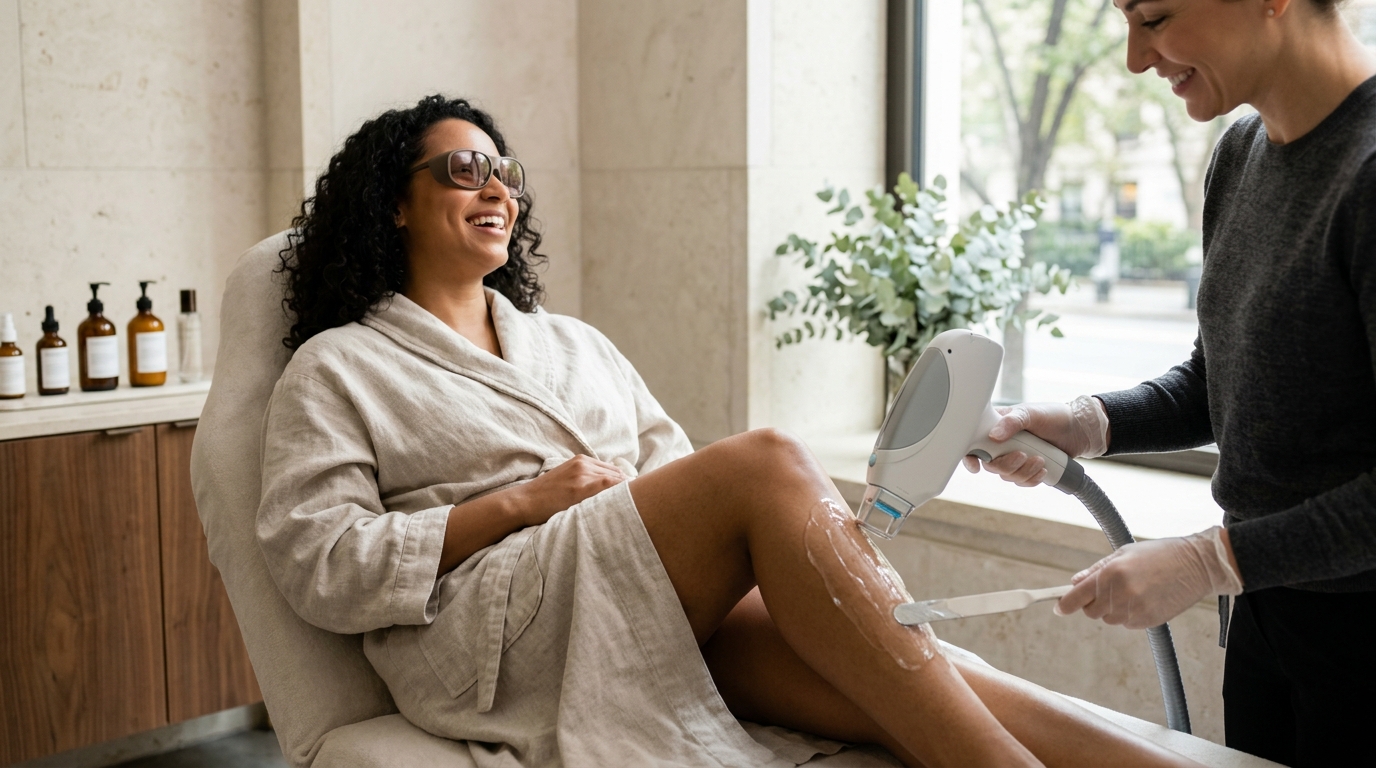
Managing hair removal on sensitive skin requires a precise, medically supervised approach to avoid irritation or hyperpigmentation. According to recent dermatological data, approximately 20% of the population identifies as having sensitive skin, making specialized laser protocols essential for safe results. This guide outlines the critical steps for achieving long-term hair reduction while prioritizing skin integrity and comfort.
Step 1: Professional Skin and Hair Assessment
The foundation of safe laser hair removal lies in an accurate Fitzpatrick skin type evaluation. This classification system ranges from Type I (very fair, burns easily) to Type VI (deeply pigmented, rarely burns). Sensitive skin often correlates with Type I or II, which are highly reactive to thermal energy. A qualified provider must analyze your skin's baseline tolerance before selecting any device.
At Perfect Med Spa, we prioritize a thorough consultation to determine your unique skin profile. This assessment ensures that the laser parameters are calibrated to target the hair follicle without damaging the surrounding epidermis. Skipping this step can lead to burns, blistering, or post-inflammatory hyperpigmentation, particularly in darker or more reactive skin tones.
Additionally, the provider will evaluate the hair color and thickness. Laser technology works by targeting melanin in the hair shaft. Therefore, the contrast between your skin tone and hair color is a critical factor in determining efficacy and safety. If you have light blonde, gray, or red hair, traditional lasers may not be effective, and alternative methods like electrolysis might be recommended.
Step 2: Pre-Treatment Skin Preparation
Proper preparation minimizes the risk of adverse reactions and maximizes the laser's effectiveness. The most critical rule is to avoid any form of sun exposure for at least two weeks prior to your appointment. Tanned skin contains excess melanin, which competes with the hair follicle for the laser's energy, increasing the risk of burns.
Shaving is the only acceptable form of hair removal in the days leading up to treatment. You must shave the treatment area 24 hours before your session. This removes hair above the skin surface while leaving the root intact for the laser to target. Waxing, plucking, or threading removes the root, rendering the laser ineffective and potentially causing trauma to the follicle.
It is also vital to avoid using topical retinoids, alpha hydroxy acids (AHAs), or beta hydroxy acids (BHAs) for five to seven days before treatment. These ingredients exfoliate the skin and can increase sensitivity, making the skin more prone to irritation during the laser procedure. Keeping the skin hydrated and clean in the days leading up to your visit at Perfect Med Spa will also enhance comfort and results.
Step 3: Selecting the Right Laser Technology
Not all lasers are created equal, especially for sensitive skin. The choice of device is the most significant technical factor in ensuring safety. For individuals with sensitive or darker skin tones, long-pulsed Nd:YAG lasers are often the gold standard. This wavelength penetrates deeper into the skin, bypassing the epidermal melanin to target the hair follicle directly.
Diode lasers are also commonly used for lighter skin tones with dark hair. They offer a balance of speed and efficacy but require careful cooling mechanisms to protect sensitive skin. At our NYC and Long Island locations, we utilize advanced cooling systems that numb the skin surface before and during the laser pulse, significantly reducing discomfort and thermal damage.
Understanding the difference between these technologies helps you make an informed decision. The table below summarizes the key characteristics of common laser types used in professional settings.
| Laser Type | Best For Skin Tone | Best For Hair Color | Sensitivity Consideration |
|---|---|---|---|
| Nd:YAG (1064nm) | Types I-VI (All Skin Tones) | Dark Hair | Lowest risk of pigmentation changes; ideal for sensitive skin. |
| Diode (808nm) | Types I-IV (Light to Medium) | Dark Hair | Requires robust cooling; moderate sensitivity risk. |
| Alexandrite (755nm) | Types I-III (Very Light to Fair) | Dark Hair | Higher absorption by melanin; not recommended for sensitive/darker skin. |
| Ruby (694nm) | Type I (Very Fair) | Dark Hair | High sensitivity risk; largely obsolete for general use. |
Step 4: The Treatment Protocol
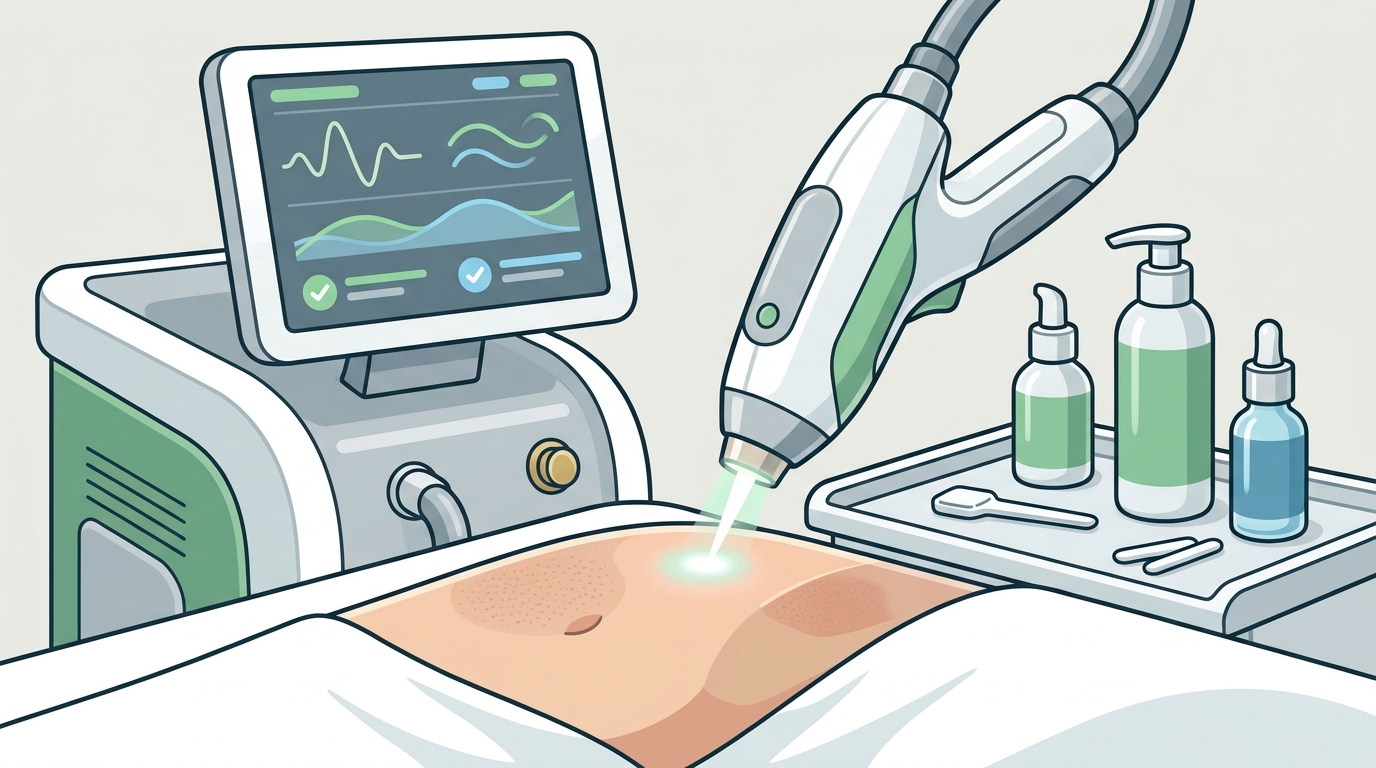
During the procedure, the provider will apply a cooling gel or use a built-in cooling tip to protect the skin. The laser is then passed over the treatment area in a grid pattern. You may feel a sensation resembling a rubber band snapping against the skin. For sensitive areas, such as the bikini line or underarms, topical numbing cream may be applied 30 minutes prior to the session.
The number of sessions required varies by individual, but most people need between six to eight treatments spaced four to six weeks apart. This interval allows the hair to enter the anagen (growth) phase, which is the only phase where the hair follicle is susceptible to laser destruction. Consistency is key to achieving permanent reduction.
It is important to note that "permanent reduction" means a significant, long-term decrease in hair growth. Some fine, vellus hairs may remain, but they will be much lighter and finer than the original terminal hairs. Maintenance sessions once or twice a year may be necessary to manage any regrowth.
Step 5: Post-Treatment Care and Recovery
Post-treatment care is just as critical as the procedure itself. Immediately after the session, the skin may appear red and swollen, resembling a mild sunburn. This is a normal inflammatory response and typically subsides within a few hours to a couple of days. Applying a cool compress or aloe vera gel can soothe the area.
Avoid hot showers, saunas, and intense exercise for 24 to 48 hours post-treatment. Heat and sweat can irritate the treated skin and increase the risk of infection. Additionally, you must avoid picking or scratching the area, as this can lead to scarring or hyperpigmentation. The treated hairs will shed naturally over the next two to three weeks; do not pluck them.
Sun protection is non-negotiable. Apply a broad-spectrum SPF 30 or higher daily to the treated areas. Sensitive skin is more prone to pigmentation changes when exposed to UV radiation. By following these aftercare instructions, you ensure optimal healing and long-lasting results. For personalized aftercare advice, consult with the specialists at Perfect Med Spa.
Frequently Asked Questions
Is laser hair removal painful on sensitive skin?
While sensitivity varies by individual, modern lasers with integrated cooling systems significantly reduce pain. Most patients describe the sensation as a mild snapping or warming feeling. Topical numbing agents can be used for highly sensitive areas.
How many sessions are needed for permanent results?
Most individuals require six to eight sessions spaced four to six weeks apart. This timeline aligns with the natural hair growth cycle, ensuring that all follicles are targeted during their active growth phase.
Can I get laser hair removal if I have dark skin?
Yes, but it requires a specific laser type. The Nd:YAG laser is the safest option for darker skin tones because it bypasses the melanin in the epidermis, reducing the risk of burns and pigmentation changes.
What should I avoid before my appointment?
Avoid sun exposure, tanning beds, waxing, plucking, and using exfoliating acids for at least two weeks prior to your treatment. Shaving is the only recommended hair removal method in the days leading up to your session.
How long does the recovery take?
Recovery is typically quick, with redness and swelling subsiding within 24 to 48 hours. Full healing of the skin barrier occurs within a week. Strict sun avoidance is required during this period.
Is the treatment safe for the bikini area?
Yes, laser hair removal is safe and effective for the bikini line and Brazilian areas. The skin in this region can be sensitive, so providers often use lower energy settings and enhanced cooling to ensure comfort and safety.
Will the hair grow back thicker?
No, laser hair removal does not cause hair to grow back thicker. In fact, regrown hair is typically finer and lighter. Any perceived thickening is often due to the blunt ends of shaved hair, which is not the case with laser-treated hair.
Schedule Your Consultation Today
Achieving smooth, hair-free skin on sensitive areas requires expertise, advanced technology, and a personalized approach. Do not risk your skin's health with at-home devices or unqualified providers. Trust the specialists at Perfect Med Spa to guide you through a safe and effective journey to permanent hair reduction. Contact us today to book your consultation and take the first step toward confident, smooth skin.