
Why Does Adult Acne Happen and What Are the Best Professional Laser Treatments to Clear It?
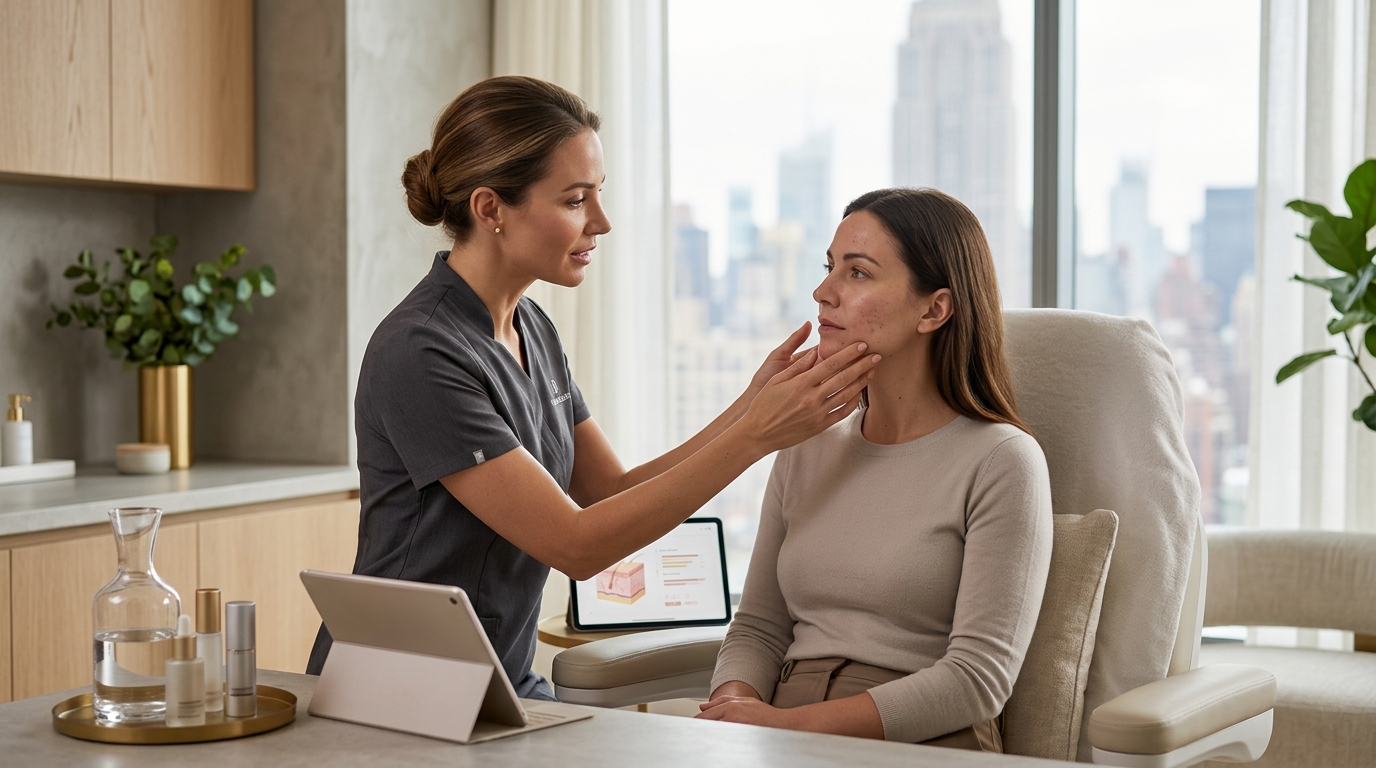
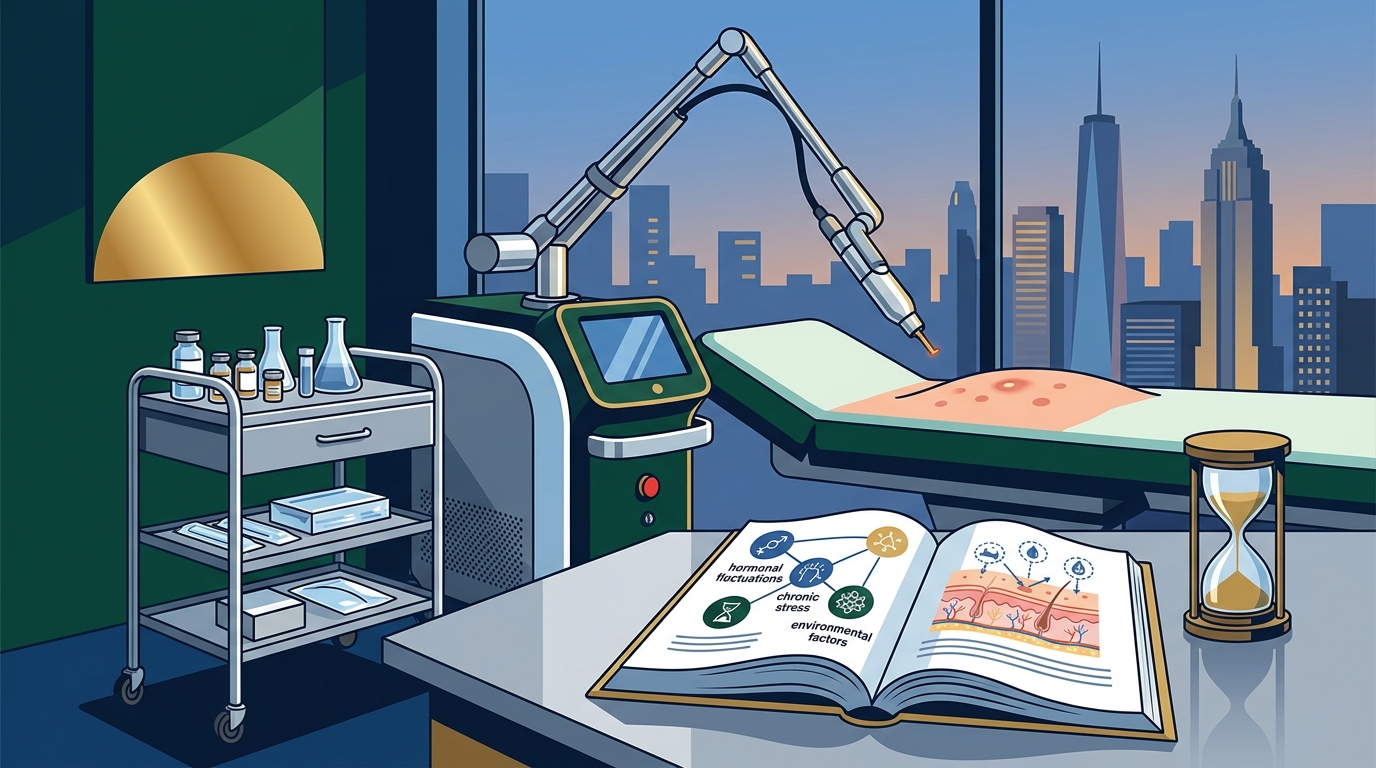
Adult acne is no longer just a teenage struggle. Recent dermatological data indicates that approximately 14% of adults experience persistent breakouts well into their thirties and forties. This shift is driven by hormonal fluctuations, chronic stress, and environmental factors that disrupt the skin barrier. Understanding the root cause is the first step toward effective treatment. At Perfect Med Spa, we specialize in diagnosing these underlying triggers to provide targeted solutions.
The Biological Causes of Adult Acne
Adult acne, clinically known as late-onset acne, differs significantly from adolescent breakouts. While teenage acne is often driven by the surge of androgens during puberty, adult acne is frequently linked to hormonal imbalances, particularly in women. Estrogen and progesterone levels fluctuate during menstrual cycles, pregnancy, and perimenopause. These shifts can stimulate the sebaceous glands to produce excess oil, or sebum. Sebum is an oily substance produced by the skin's sebaceous glands to lubricate and protect the skin. When produced in excess, it mixes with dead skin cells and clogs pores.
Another critical factor is inflammation. Chronic stress triggers the release of cortisol, a hormone that increases oil production and inflammation. This creates a perfect storm for inflammatory acne lesions. Furthermore, environmental pollutants and improper skincare routines can compromise the skin barrier. The skin barrier is the outermost layer of the epidermis that protects against environmental aggressors and prevents water loss. When this barrier is damaged, bacteria like Cutibacterium acnes can penetrate deeper, leading to persistent breakouts.
At Perfect Med Spa, we recognize that topical creams alone are often insufficient for deep-seated adult acne. Professional interventions are required to reset the skin's biology. Our NYC and Long Island locations offer advanced diagnostics to identify whether your acne is hormonal, bacterial, or inflammatory in nature.
Comparing Laser and Light Therapies
Professional laser and light therapies have revolutionized acne treatment. These modalities target the bacteria and oil glands responsible for breakouts without the harsh side effects of oral medications. The following table compares the most effective treatments available at our facility.
| Treatment Name | Primary Mechanism | Best For | Downtime |
|---|---|---|---|
| Morpheus8 | Radiofrequency Microneedling | Acne Scarring and Texture | 1-3 Days |
| Fotona 4D | Dual-Wavelength Laser | Inflammation and Redness | None |
| IPL Photofacial | Intense Pulsed Light | Redness and Pigmentation | None |
| LED Light Therapy | Photobiomodulation | Mild Acne and Healing | None |
Each of these treatments works by targeting specific chromophores in the skin. For instance, blue light therapy kills acne-causing bacteria, while red light reduces inflammation. Photobiomodulation is the use of light energy to stimulate cellular function and promote healing. This non-invasive approach is ideal for patients seeking to clear active breakouts while improving overall skin tone.
Morpheus8 for Texture and Scarring
One of the most challenging aspects of adult acne is the residual scarring. Icepick, boxcar, and rolling scars can persist long after the active breakouts have subsided. Morpheus8 is a fractional radiofrequency microneedling device that addresses this issue effectively. It combines microneedling with radiofrequency energy to remodel the deeper layers of the skin.
The procedure involves tiny needles penetrating the skin to deliver controlled heat. This heat stimulates collagen and elastin production. Collagen is a structural protein that provides strength and elasticity to the skin. As new collagen forms, it fills in acne scars and smooths out texture irregularities. Many patients see significant improvement after just three sessions.
At Perfect Med Spa, we customize the depth and energy settings of Morpheus8 to match your skin type. This ensures safety and efficacy, particularly for patients with darker skin tones who are at risk of hyperpigmentation. Our providers are experts in managing post-procedure care to minimize downtime.
Fotona 4D for Inflammation
Fotona 4D is a multi-modal laser platform that offers a non-surgical facelift and acne management. It uses four different laser wavelengths to target various skin layers. The SP Dynamis mode specifically targets the superficial skin layers to reduce inflammation and redness associated with active acne.
This treatment is particularly beneficial for patients with sensitive skin or those who cannot tolerate aggressive resurfacing. The laser energy heats the dermis, which tightens the skin and reduces the size of oil glands. This leads to a decrease in oil production and fewer breakouts. Dermis is the thick layer of living tissue below the epidermis that contains blood vessels, nerves, and hair follicles. By targeting this layer, Fotona 4D addresses the root causes of acne without damaging the surface.
Additionally, Fotona 4D improves skin clarity and brightness. It is an excellent option for patients who want to address both acne and signs of aging simultaneously. Our face and skin specialists can design a protocol that combines Fotona 4D with other treatments for optimal results.
Frequently Asked Questions
How long does it take for laser treatments to clear adult acne?
Most patients see a reduction in active breakouts within four to six weeks after their first session. However, complete clearance often requires a series of three to six treatments spaced four weeks apart. Consistency is key to maintaining long-term results.
Are laser treatments safe for all skin types?
Yes, modern laser technologies like Morpheus8 and Fotona 4D are safe for all skin types, including darker skin tones. Our providers use specific settings to minimize the risk of hyperpigmentation. We always conduct a thorough consultation before starting treatment.
Can I use topical acne medications with laser therapy?
It is generally recommended to pause strong retinoids and acne medications one week before and after laser treatments. This helps prevent excessive irritation. Our team will provide specific pre- and post-care instructions tailored to your skin.
What is the difference between IPL and laser for acne?
IPL (Intense Pulsed Light) uses broad-spectrum light to target redness and pigmentation. Lasers use a single wavelength to target specific structures like bacteria or oil glands. IPL is often used for mild acne and sun damage, while lasers are better for deeper inflammation and scarring.
Does laser treatment help with hormonal acne?
While laser treatments do not cure hormonal imbalances, they effectively manage the symptoms. By reducing oil production and killing bacteria, lasers can significantly decrease the frequency and severity of hormonal breakouts. Combining laser therapy with lifestyle changes yields the best outcomes.
Is there any downtime after Morpheus8?
Patients typically experience redness and swelling for one to three days. Bruising may occur but usually resolves within a week. Most people can return to work the next day with makeup. Our contact page has more details on recovery.
How often should I get laser treatments for maintenance?
After the initial series of treatments, maintenance sessions every six to twelve months are recommended. This helps sustain collagen production and prevent new breakouts. Regular facials and Diamond Glow Facials can also support long-term skin health.
Schedule Your Consultation
Adult acne is a treatable condition, but it requires a strategic approach. At Perfect Med Spa, we combine advanced laser technology with expert medical guidance to clear your skin. Whether you need Morpheus8 for scarring or Fotona 4D for inflammation, we have the solution.
Visit our contact page to book your appointment today. Our NYC and Long Island locations are ready to help you achieve clear, confident skin. Do not let adult acne define your appearance. Take the first step toward a clearer complexion now.